

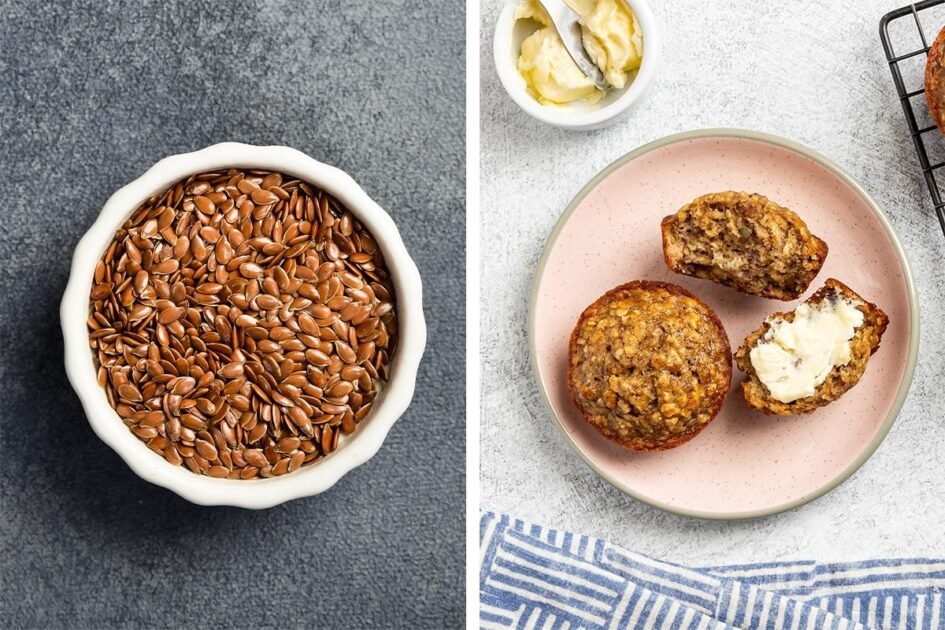

Baking is often seen as the ultimate form of self-care. There is nothing quite like the scent of warm vanilla and melting butter wafting through the house. However, as a dietitian, I have a confession: most of our beloved treats are missing a key ingredient for our long-term well-being. While flour and sugar provide the structure and flavor we crave, they are notoriously low in fiber.
Fiber is the unsung hero of the culinary world, supporting everything from gut health to steady blood sugar levels. But how do you add it to a delicate recipe without turning a fluffy cupcake into a dense brick? The answer lies in a simple, nutty powerhouse: the flax egg.
Why the Flax Egg is a Game Changer
A flax egg is not actually an egg at all. It is a mixture of ground flaxseed and water that mimics the binding properties of poultry eggs. This swap is a fantastic way to introduce healthy fats and fiber into your family’s diet. Because the flavor is incredibly subtle, it blends seamlessly into recipes with warming spices, chocolate, or fruit.
Beyond the nutritional boost, flax eggs are a lifesaver for budget-conscious bakers and those managing egg allergies. Ground flaxseed is often cheaper than a carton of premium eggs, and it is entirely shelf-stable. It allows you to save your fresh eggs for a morning scramble while your afternoon muffins get their structure from seeds.
Ingredients
To make one “egg,” you only need two simple items:
tablespoon ground flaxseed: Ensure it is finely ground; whole seeds will not gel properly.
tablespoons water: Cool or room temperature water works best.
Step-by-Step Instructions
Measure Carefully: In a small bowl, combine one tablespoon of ground flaxseed with three tablespoons of water.
The Magic Wait: Whisk the mixture together and let it sit for to minutes.
Check the Texture: You will know it is ready when it thickens into a gel-like consistency, remarkably similar to a raw egg white.
Incorporate: Fold the flax gel directly into your wet ingredients just as you would a standard egg.
Best Uses and Expert Tips
Flax eggs shine in dense, moist bakes where the egg’s primary job is to hold things together. Think of hearty zucchini bread, chewy oatmeal cookies, or fudgy brownies. If you are making something light and airy, like a meringue or an angel food cake, stick to traditional eggs. Flax lacks the leavening power needed to create those sky-high peaks.
For the best results, I recommend replacing no more than two eggs in a single recipe. If a recipe calls for four eggs, try a “half and half” approach—use two flax eggs for the nutrients and two real eggs to maintain that perfect rise and fluffy crumb.
Serving and Variations
This swap works beautifully in your morning routine. Try it in banana oat muffins or fluffy pancakes for a breakfast that keeps you full until lunch. If you find yourself out of flax, you can use the same method with chia seeds, though be prepared for a slightly seedier texture in the finished product.
Baking should be about joy, and knowing you are nourishing your body makes every bite even sweeter. Give this simple swap a try in your next batch of cookies—your secret is safe with us!