
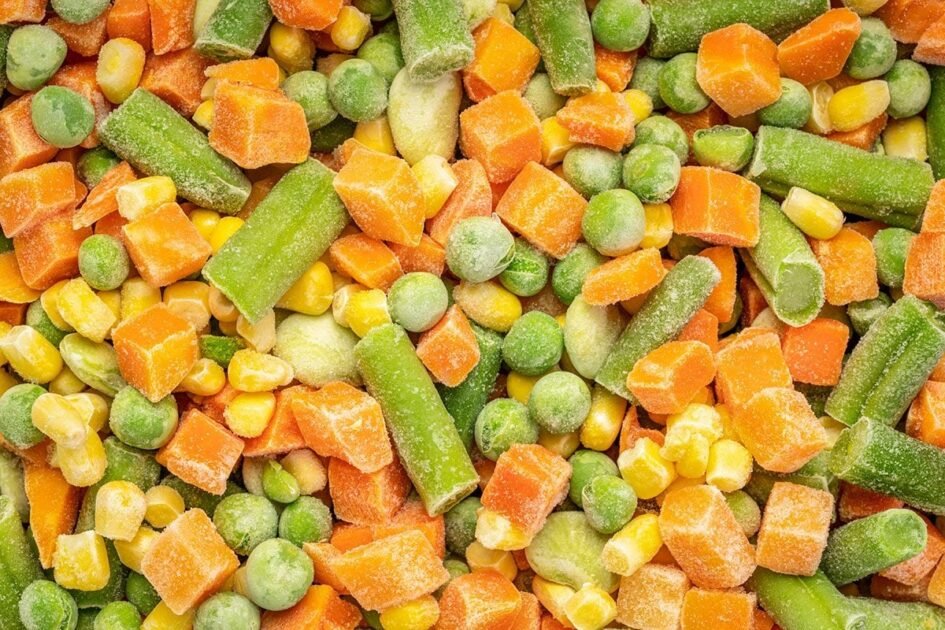

There is nothing quite like the relief of finding a forgotten bag of frozen vegetables in the freezer when you are short on time. It is the ultimate kitchen win: no washing, no peeling, and no tedious chopping stands between you and a healthy dinner.
However, even the most seasoned home cooks often stumble on one critical question: do you need to thaw them first? While it might seem logical to let those veggies come to room temperature, doing so is actually the quickest way to ruin your meal. If you have ever been disappointed by a plate of watery, grey broccoli, your defrosting habit is likely to blame.
The Science of the Crunch
Frozen vegetables are typically blanched and flash-frozen at the peak of freshness. This process locks in their vibrant color and nutritional value. When you thaw them, the ice crystals inside melt into water that soaks back into the vegetable fibers.
By the time those damp veggies hit the pan, they are already waterlogged. Instead of searing and browning, they end up sitting in a pool of their own moisture, effectively steaming themselves into a mushy mess. To keep that snap and bright flavor, you have to keep them frozen until the very last second.
When to Break the Rules
As with any culinary rule, there are a few rare exceptions. If you are making a smooth spinach artichoke dip, a creamy cauliflower mash, or a vegetable puree, texture isn’t your primary concern. In these cases, thawing and squeezing out the extra liquid is actually helpful. But for roasting, sauteing, or stir-frying, the “frozen-to-fire” method is king.
Ingredients
bag (- oz) high-quality frozen vegetables (broccoli, green beans, or peppers work great)
tablespoons high-heat cooking oil (like avocado or grapeseed oil)
Kosher salt and cracked black pepper to taste
Optional: Garlic powder, red pepper flakes, or a squeeze of fresh lemon
Instructions
Step : Get the Heat Moving
Whether you are using the oven or the stovetop, heat is your best friend. Preheat your roasting pan or skillet before the vegetables even leave the freezer. You want that initial “sizzle” to immediately evaporate any surface frost.
Step : The Direct Transfer
Take the bag straight from the freezer to the pan. If the vegetables are clumped together, do not rinse them! Instead, give the bag a firm whack against the counter to separate the pieces. Rinsing only adds the moisture we are trying to avoid.
Step : Space is Key
Avoid the temptation to dump two bags onto one tray. Overcrowding the pan traps steam between the vegetables. Spread them out in a single layer so the hot air can circulate, ensuring those edges get golden and crisp.
Step : Season at the End
Wait until the vegetables have started to brown before adding salt. Salt draws out moisture, and adding it too early can encourage that dreaded sogginess. Once they are tender and charred, toss them with your favorite seasonings and serve immediately.
Quick Tips for Success
If you are roasting, try using a slightly higher temperature than you would for fresh produce—around degrees works wonders. The intense heat works fast to crisp the exterior while the interior stays tender.
Next time you reach for that bag of peas or medley of peppers, skip the defrosting bowl. By embracing the chill, you will turn a humble freezer staple into the star of your dinner table. Your taste buds—and your schedule—will thank you.