

Breaking the Pasta Box Rules
Pasta is the ultimate weeknight hero. It is versatile, comforting, and can transform from a simple buttered noodle dish into a gourmet meal with just a few ingredients. Yet, even with something as universal as boiling noodles, we often find ourselves following the back-of-the-box instructions without question.
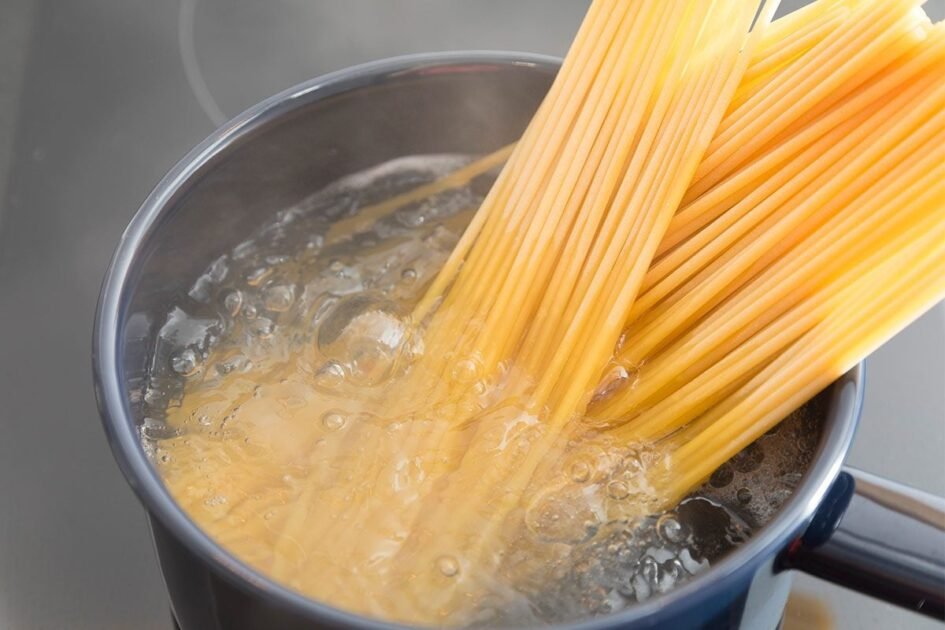
For years, the standard rule has been to use four to six quarts of water per pound of pasta. We lug a heavy, water-filled pot to the stove and wait what feels like an eternity for it to reach a rolling boil. But what if I told you that using less water isn’t just a shortcut—it is actually a superior cooking technique?
The Myth of the Giant Pot
The traditional argument for a large volume of water is that it prevents sticking and ensures even cooking by giving the noodles room to “swim.” While it is true that pasta needs a bit of space, using a massive amount of water has several downsides. It wastes energy, takes up too much time, and dilutes one of your most valuable ingredients: the starch.
When you use less water, something magical happens. The water becomes highly concentrated with starch released from the noodles. This “liquid gold” is the secret weapon of professional chefs, used to emulsify sauces and create that silky, clingy texture that store-bought jars often lack.
The Cold Water Method
If you want to truly revolutionize your weeknight routine, take a page out of Alton Brown’s playbook. Instead of waiting for a boil, try starting your pasta in cold water.
Ingredients
pound of your favorite pasta shape (like penne or fusilli)
cups of cold water
tablespoon of kosher salt
Instructions
Combine early: Place your dry pasta and salt into a large pot or deep skillet. Pour over the cups of cold water—just enough to cover the noodles by an inch or two.
Turn up the heat: Turn the burner to medium-high. As the water and pasta heat up together, the noodles begin to soften immediately.
Stir occasionally: Give the pot a few stirs during the first few minutes to ensure nothing sticks to the bottom. Because the water is shallower, you will notice it becomes cloudy and thick very quickly.
Simmer to perfection: Once the water reaches a boil, lower the heat slightly and cook until the pasta reaches your preferred level of doneness.
Save the gold: Before draining, dip a measuring cup into the pot. You will find the water is much starchier than usual.
Why This Works for Your Sauce
The concentrated starch in a smaller amount of water acts as a natural thickener. When you toss your cooked pasta with a bit of butter, olive oil, or a marinara sauce, adding a splash of this starchy water creates an emulsion. This binds the fats and liquids together, ensuring your sauce coats every nook and cranny of the pasta rather than pooling at the bottom of the bowl.
Tips and Variations
If you are cooking long strands like spaghetti or linguine, a wide skillet is actually better than a tall pot. It allows the noodles to lay flat immediately without having to wait for the ends to soften.
For those who prefer the traditional method, you can still stick to the box instructions. Large amounts of water are great if you are cooking for a crowd and don’t want to “babysit” the pot. But for a standard family dinner, the small-water method is a total game changer.
Next time you reach for that heavy stockpot, try scaling back. You will save time, use less energy, and end up with a bowl of pasta that tastes like it came straight from a professional kitchen. It is one of those rare kitchen hacks that is actually easier than the original way.