
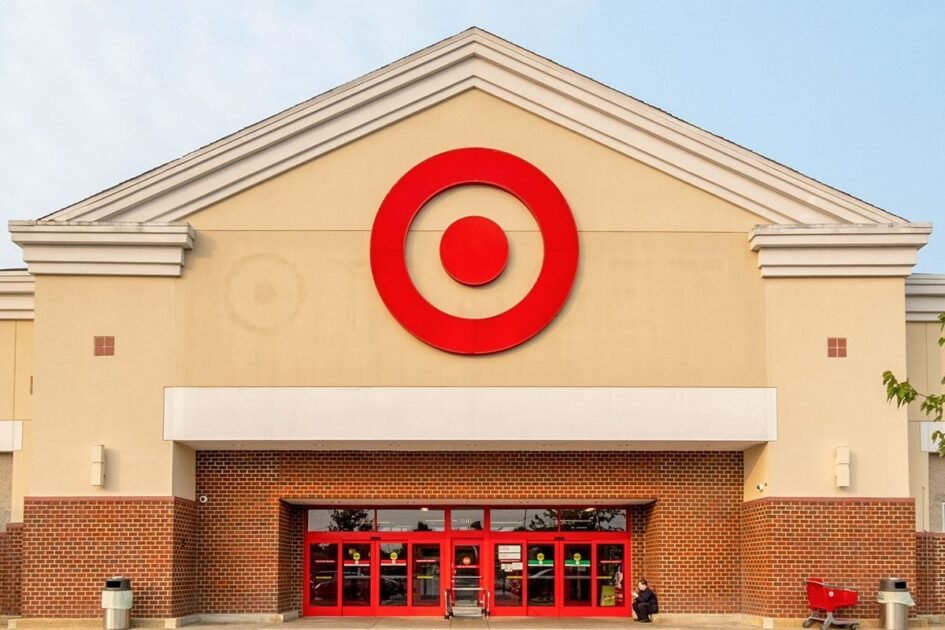

The vibrant, neon-hued cereal aisle we all grew up with is about to undergo its most significant transformation in decades. If you have a penchant for the technicolor crunch of childhood classics, you might notice some glaring empty spots during your next Target run. By the end of May , the retail giant is officially bidding farewell to cereals containing certified synthetic colors.
This bold move is part of a strategic shift to meet the “evolving preferences” of modern shoppers. Families are increasingly looking for transparency in their food, and Target is leaning in by prioritizing options that swap petroleum-based dyes for more natural alternatives. While the change might mean a slightly more muted color palette in your bowl, it signals a major turning point for the breakfast industry.
Which Icons Are At Risk
While Target has not issued a “blackball” list of specific brands, a quick glance at current ingredient labels tells a clear story. The policy specifically targets certified synthetic dyes like Red , Yellow , and Blue . These are the chemical workhorses behind the unmistakably bright shades of breakfast heavyweights.
Based on current formulations, fan favorites like Froot Loops, Trix, Lucky Charms, and Fruity Pebbles are the most likely to be impacted. If these brands cannot reformulate to remove the artificial dyes by the end of May, they will likely disappear from Target shelves—at least temporarily.
The Science of the “Natural” Look
Interestingly, not every colorful cereal is on the chopping block. The retailer’s ban focuses on synthetic dyes, which means ingredients like caramel color are generally safe. Because caramel color is derived from heating sugars rather than petroleum, brown-hued cereals—think chocolate or peanut butter varieties—will largely remain untouched.
The challenge for manufacturers is replicating the “electric” purple or “hot” pink of fruity cereals using plant-based sources like beet juice, turmeric, or spirulina. These natural alternatives can sometimes be more difficult to stabilize, which is why the transition is such a massive undertaking for food scientists.
Is This a Permanent Goodbye
Fortunately for those who cannot imagine a Saturday morning without their favorite bowl, this is not necessarily the end of the road. Major manufacturers are already racing to catch up with the new standards. General Mills has committed to removing synthetic colors from its entire cereal portfolio by summer , a timeline that aligns almost perfectly with Target’s new policy.
Kellogg’s is also on the path to cleaner labels, though their projected timeline stretches into . This suggests that while some boxes may vanish this spring, we could see “New and Improved” versions return to shelves once the recipes have been cleaned up.
What to Expect Next
Target has emphasized that this move is not about reducing choice, but about curating better ones. They are working closely with national brands and their own private labels to ensure the cereal aisle remains packed with variety across all price points.
For the home cook and breakfast enthusiast, this means a shift toward cereals that rely on real fruit powders and plant-based extracts for their flair. It is a win for those seeking a “cleaner” start to the day without sacrificing the nostalgic flavors of the breakfast table. Keep an eye on those labels this May; the most popular meal of the day is getting a sophisticated, synthetic-free makeover.