

The Kitchen Secrets That Change Everything
We’ve all been there: standing in the kitchen, staring at a plate of food that just didn’t live up to the hype. Whether it’s a bland chicken breast or a soggy tray of roasted veggies, the gap between a “good” meal and an “extraordinary” one usually comes down to a few fundamental techniques.
Last year, after a string of kitchen disasters, I realized that cooking isn’t just about following a recipe—it’s about mastering the “invisible” steps that experienced chefs rarely talk about. Through a lot of trial, error, and a few smoky fire alarms, I’ve dialed in the six core pillars of successful home cooking.
If you’re ready to level up your dinner game, these viral-worthy tips are the ultimate game-changers.
. Master the Art of “Mise en Place”
The secret to a stress-free kitchen isn’t a fancy gadget; it’s preparation. Before you even think about turning on the stove, practice Mise en Place—a French term for “everything in its place.”
Gather every ingredient, chop your onions, measure your spices, and organize your workspace. Rushing through prep is the fastest way to burn your garlic while you’re busy hunting for the salt. When your ingredients are ready, you can focus on the actual cooking, leading to a much higher success rate and way less cleanup stress.
. Respect the Heat (and the Pan)
Temperature control is the backbone of great texture. One of the biggest mistakes home cooks make is starting with a cold pan. A cold pan leads to sticking and prevents that beautiful, golden-brown crust we all crave.
Always preheat your pan properly. Listen for the “sizzle”—that’s your audio cue that the heat is right. Whether you’re searing a steak on high or simmering a sauce on low, being proactive with your burner dial will prevent “grey meat” and underdeveloped flavors.
. Stop Crowding the Pan
We get it—you’re hungry and want to cook everything at once. But if you pack too many mushrooms or chicken thighs into one skillet, the temperature drops and moisture gets trapped. Instead of browning, your food will steam.
Give your ingredients some breathing room! Cook in batches if you have to. That extra five minutes will reward you with the perfect caramelization and snap that makes a dish truly special.
. Season in Layers (Not Just at the End)
If your food tastes bland despite a heavy dusting of salt at the table, you’ve missed the “seasoning window.” Great flavor is built in layers.
Add a pinch of salt to your onions as they sauté, season your meat before it hits the pan, and taste as you go. This builds a complex, balanced profile that you just can’t replicate by salting a finished plate. Remember: you can always add more, but you can’t take it away!
. Use the “Precision Power” of a Thermometer
Stop the guesswork! If you want a perfect °F medium-rare steak or a juicy °F chicken breast every single time, an instant-read thermometer is your best friend.
This small equipment investment pays massive dividends. It removes the “is it done yet?” anxiety and ensures you never serve a dry, overcooked meal again.
. The -Minute Rest Rule
The hardest part of cooking is the final step: waiting. When you pull meat off the heat, the muscle fibers are tight and the juices are ready to escape.
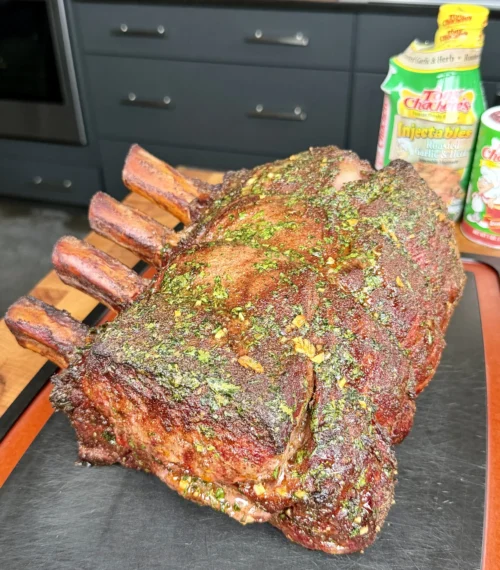
If you cut into a steak immediately, all that flavor runs out onto the cutting board. Let your proteins rest for – minutes. The fibers will relax, the juices will redistribute, and you’ll be left with a tender, succulent bite that stays moist until the very last forkful.
Pro-Tip Troubleshooting
Even the pros run into trouble! If your soup is too salty, try balancing it with a splash of acid (like lemon juice or vinegar). If your veggies are soggy, they likely needed more heat or less crowding.
Cooking is a journey, not a destination. Every “burned” dinner is just a lesson in disguise. Keep practicing these six pillars, and soon you’ll be the one sharing the secrets to the perfect meal!