













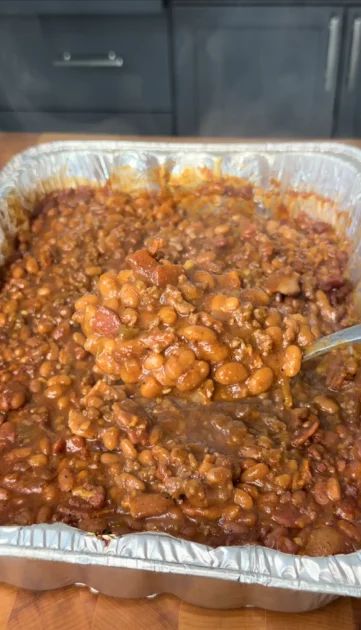

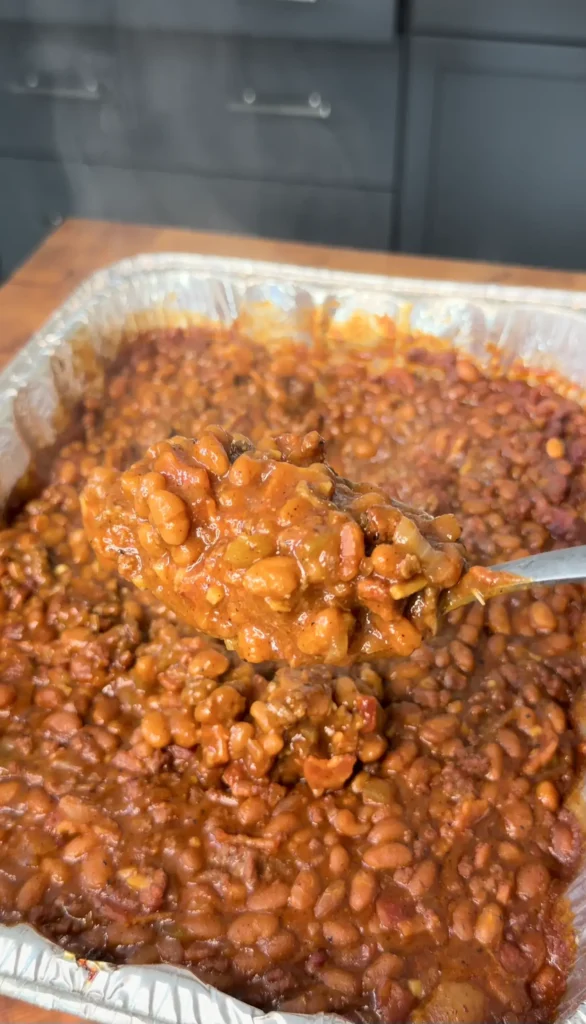
Smoked cowboy baked beans are canned pork and beans loaded with cooked bacon, ground beef, diced onions, and garlic, then mixed with BBQ sauce, brown sugar, ketchup, mustard, and Worcestershire sauce. You smoke them uncovered at 250°F to 275°F for 1.5 to 2.5 hours, stirring every 45 minutes. The beans reduce and thicken while absorbing smoke flavor. The result is thick, spoon-coating beans with sweet, savory, smoky flavor perfect for BBQ cookouts.
The ground beef and bacon add meaty richness that standard baked beans lack. The 80/20 ground beef provides fat that melts into the sauce. Thick-cut bacon contributes smoke flavor and crispy texture. Brown sugar creates caramelized sweetness. Molasses adds deep, complex flavor. The combination of BBQ sauce, ketchup, and mustard builds tangy, balanced sauce. Worcestershire sauce contributes umami depth that makes these beans taste layered rather than one-dimensional.
These BBQ baked beans work equally well in the oven at 325°F for those without smokers. You bake them covered for 60 minutes, then uncovered for 30 to 45 minutes. The oven method creates thick, flavorful beans without smoke. Add liquid smoke to approximate outdoor flavor. Total time is about 2 hours either way. The beans improve as they sit, making them perfect for potlucks, tailgates, and meal prep.
Why Ground Beef and Bacon Create Better Cowboy Beans
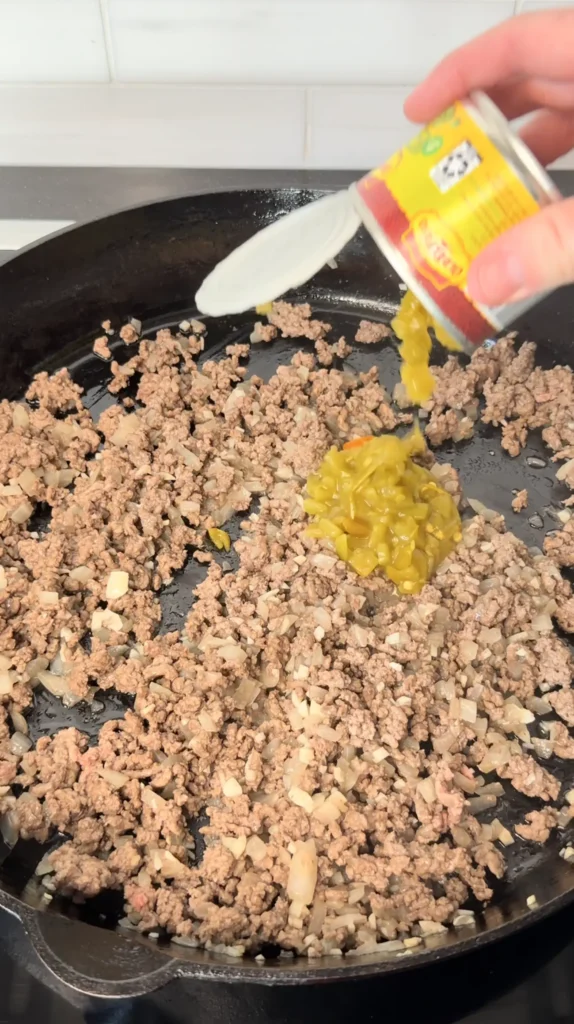
Ground beef transforms cowboy baked beans from side dish to hearty main-adjacent component. The 80/20 ground beef adds substantial protein and fat. As the beef cooks in the bean mixture, fat renders and enriches the sauce. This creates silky, rich texture that coats every bean. Leaner ground beef (90/10 or 93/7) doesn’t provide enough fat. The beans taste lean and lack that luxurious mouthfeel.
The beef also adds savory, umami-rich flavor that balances the sweetness from brown sugar and BBQ sauce. Without meat, baked beans can taste overly sweet and one-dimensional. The beef grounds the flavor profile. It makes the beans more complex and satisfying. People eat them as a substantial side rather than just sugary beans.
Bacon contributes smoke flavor even before you put the beans on the smoker. Thick-cut bacon has more meat and less shrinkage than regular bacon. It creates substantial pieces that don’t disappear into the beans. The bacon fat renders into the sauce like the beef fat. This double-fat component from beef and bacon creates incredibly rich beans.
Dicing the bacon before cooking distributes it evenly throughout. Whole bacon strips would clump together and create uneven distribution. Small bacon pieces integrate seamlessly. Every spoonful contains bacon rather than some bites having all the bacon and others having none.
Cooking the bacon first in the skillet creates fond (browned bits) on the pan bottom. When you add ground beef and onions to the bacon grease, they pick up that smoky flavor. The fond dissolves into the meat mixture and eventually into the beans. This layered cooking technique builds deeper flavor than just mixing everything together.
How Smoking Uncovered Develops Thick, Concentrated Flavor
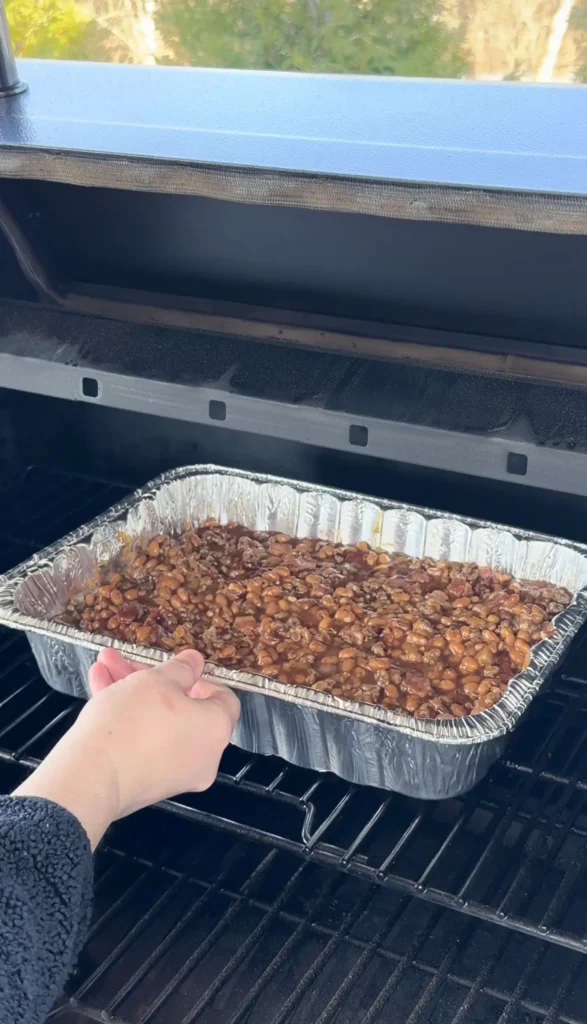
Smoking smoked baked beans uncovered is essential for developing thick, concentrated sauce and intense smoke flavor. The exposed surface allows moisture to evaporate continuously. As water leaves the beans, the sauce thickens naturally. The sugar concentration increases. The flavors intensify. Covered beans steam in their own moisture. They stay thin and soupy.
The evaporation process also concentrates all the flavor components. The BBQ sauce, brown sugar, molasses, and spices become more pronounced as water content decreases. What starts as relatively thin bean mixture transforms into thick, glossy, spoon-coating sauce. This happens through natural reduction rather than adding thickeners.
The uncovered surface also maximizes smoke penetration. Smoke compounds adhere to the bean surface. They gradually work their way into the sauce as you stir. Covered beans have limited surface exposure. A lid blocks smoke contact. You end up with beans that taste like they were cooked indoors rather than on a smoker.
The top layer of beans develops slight crust during smoking. This caramelization adds flavor complexity. The sugars in the BBQ sauce and brown sugar caramelize at smoker temperatures. This creates deeper, more interesting sweetness than raw sugar. When you stir every 45 minutes, you incorporate this caramelized top layer throughout the beans.
Temperature control matters for uncovered smoking. Too hot (above 300°F) causes the top to scorch before the beans reduce properly. Too cool (below 225°F) takes forever to thicken. The 250°F to 275°F range provides ideal balance. The beans reduce steadily without burning.
Why Dark Brown Sugar Works Better Than Light Brown Sugar
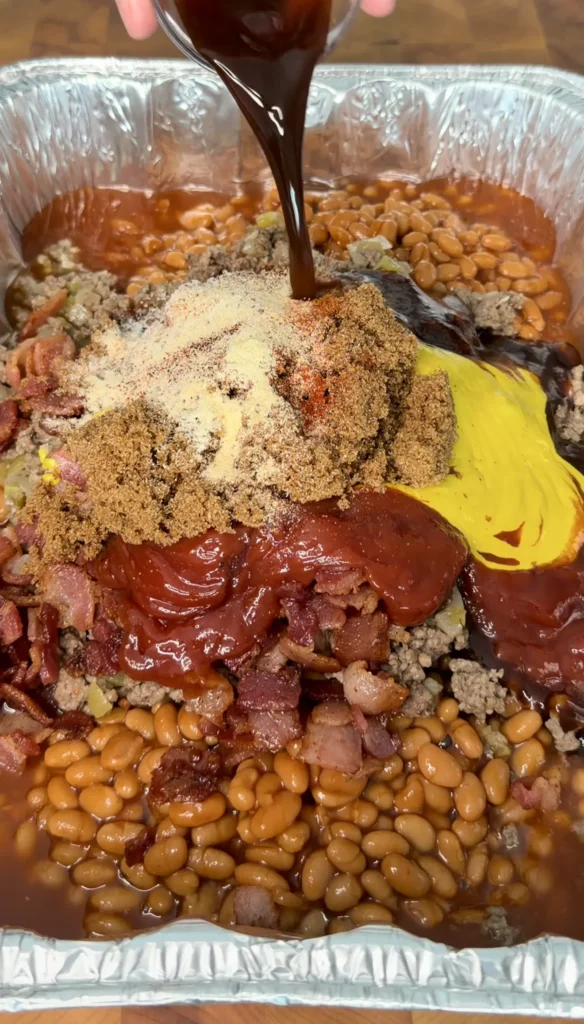
Dark brown sugar creates richer, more complex smoked cowboy beans because it contains more molasses than light brown sugar. Dark brown sugar is about 6.5% molasses by weight. Light brown sugar is only 3.5% molasses. This difference seems small but significantly impacts flavor.
The extra molasses in dark brown sugar contributes deeper, almost caramel-like sweetness. It has slight bitterness that balances the sugar’s sweetness. This prevents the beans from tasting like candy. Light brown sugar tastes more straightforwardly sweet without the complexity. The beans can become cloying.
Molasses also adds color. Dark brown sugar creates deeper, darker beans. They look more appealing and rustic. Light brown sugar beans can look pale and less appetizing. The visual difference matters for presentation, especially at potlucks and cookouts where appearance influences whether people try your food.
The molasses content also affects how the beans caramelize during smoking or baking. Dark brown sugar caramelizes into richer, more complex flavors. The molasses components create slight bitterness that enhances savory notes. This makes the beans taste more sophisticated rather than simply sweet.
You can substitute light brown sugar if that’s what you have. The beans will still be good. They’ll just be slightly less complex and lighter in color. Don’t use white granulated sugar. It lacks any molasses and creates one-dimensional sweetness.
What Makes Bush’s Pork and Beans the Preferred Base
Bush’s pork and beans create the best cowboy baked beans base because they have ideal bean-to-sauce ratio and consistent quality. Bush’s uses navy beans (also called pea beans) that hold their shape during extended cooking. Cheaper brands often use beans that break down and become mushy. Navy beans maintain integrity even after 2+ hours in the smoker.
The sauce in Bush’s cans is moderately thick without being pasty. It provides good foundation for adding BBQ sauce, brown sugar, and other ingredients. Very thin sauce (like some store brands) creates soupy beans. Very thick sauce (like some premium brands) becomes gluey when you add more sauce components.
Bush’s also includes small pieces of pork fat that add flavor. These fatty bits melt during smoking and enrich the overall sauce. Vegetarian baked beans lack this flavor component. While you could make these beans vegetarian, they won’t have quite the same depth.
The seasoning in Bush’s is mild and balanced. It doesn’t overpower the additions you make. Some brands are overly sweet or salty. Bush’s provides blank canvas that accepts BBQ sauce, brown sugar, and spices without clashing. The final flavor profile tastes intentional rather than confused.
Consistency matters when making these beans multiple times. Bush’s cans are reliably similar. The bean count, sauce thickness, and seasoning level stay consistent across batches. This makes the recipe reproducible. You get the same results every time rather than variability based on which brand was on sale.
Smoked Cowboy Baked Beans
Loaded with Bacon, Beef & Brown Sugar
Ingredients
Base Ingredients
Sauce and Seasoning
Optional Add-Ins
Leave the beans uncovered during smoking to concentrate flavors and thicken the sauce naturally. The exposed surface allows moisture to evaporate while smoke penetrates deeply. Covering them creates steamed beans that taste flat and watery. For thicker, more intensely flavored beans, keep them uncovered for the entire cook. Only cover in the final 30 minutes if browning too quickly or if the surface starts to dry out.
Step-by-Step Instructions
Step 1: Cook the Meat Base
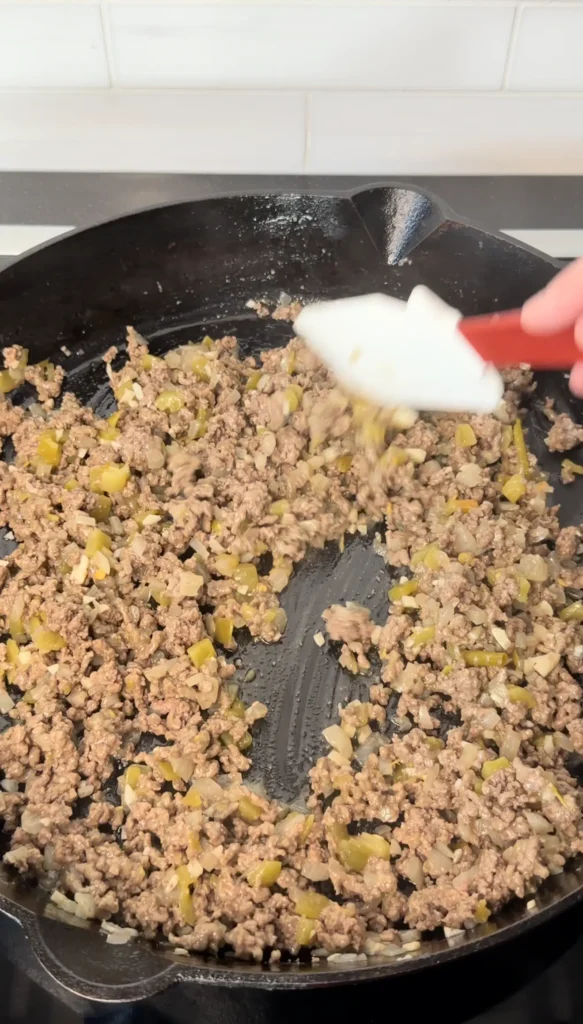
In a large skillet over medium heat, add 8 slices of diced thick-cut bacon. Cook for 8 to 10 minutes, stirring occasionally, until the bacon is crispy and browned. The bacon should render most of its fat. Remove the cooked bacon with a slotted spoon and set aside on a paper towel. Leave the bacon grease in the pan.
Add 1 pound of 80/20 ground beef and 1 small finely diced onion to the bacon grease. Break up the beef with a wooden spoon. Cook for 6 to 8 minutes until the beef is completely browned and the onions are soft and translucent. The beef should have no pink remaining.
Add 3 cloves of minced garlic to the beef mixture. Cook for 30 seconds, stirring constantly. Garlic burns easily so watch it carefully. The garlic should be fragrant but not browned.
If there’s excessive grease in the pan (more than 2 to 3 tablespoons), drain some off. You want enough fat for flavor but not so much that the beans are greasy. Leave about 2 tablespoons of fat with the meat.
Stir the cooked bacon back into the beef mixture. Mix everything together and remove from heat. Set aside while you prepare the bean mixture.
Step 2: Build the Bean Mixture
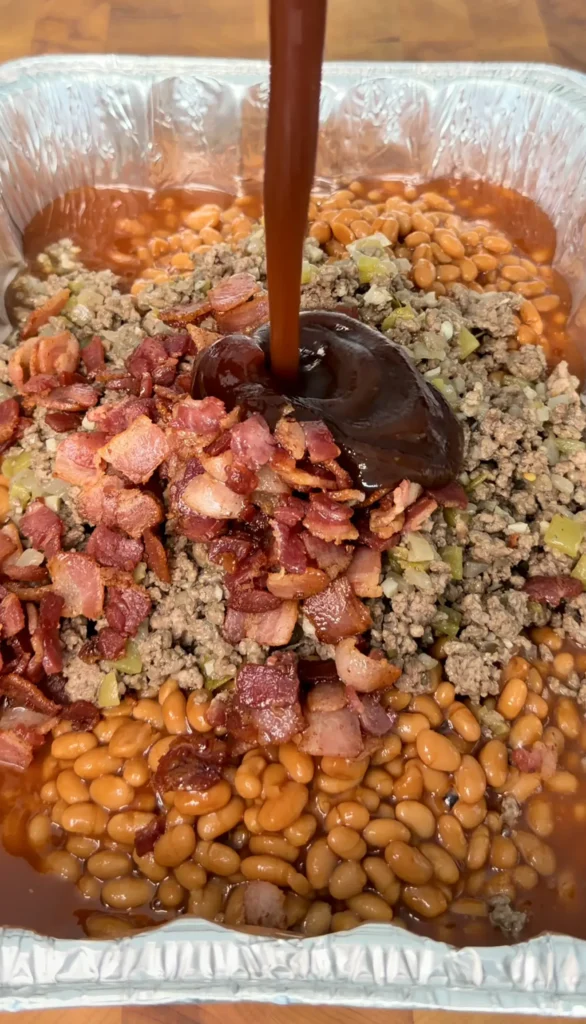
In a large mixing bowl or directly in your cast iron skillet or foil pan, combine 2 (28-ounce) cans of pork and beans. Don’t drain them. Use all the sauce from the cans.
Add the cooked meat mixture (beef, bacon, onions, garlic). Stir to distribute the meat evenly throughout the beans.
Add 1 cup BBQ sauce, ½ cup dark brown sugar, ¼ cup ketchup, 2 tablespoons yellow mustard, 2 tablespoons Worcestershire sauce, and 2 tablespoons molasses if using. The molasses is optional but recommended for deeper flavor.
Add all the seasonings: 1 teaspoon smoked paprika, 1 teaspoon chili powder, ½ teaspoon black pepper, ½ teaspoon kosher salt, and ½ teaspoon cayenne pepper if you want heat.
Mix everything thoroughly until fully combined. The mixture will look relatively thin at this point. That’s normal. It will thicken during smoking or baking. Taste and adjust seasoning if needed. Remember that flavors will concentrate as the beans cook.
Transfer the mixture to a 9×13-inch cast iron skillet or disposable aluminum foil pan if you haven’t already mixed it there. Spread into an even layer.
Step 3: Smoke the Beans (Smoker Method)
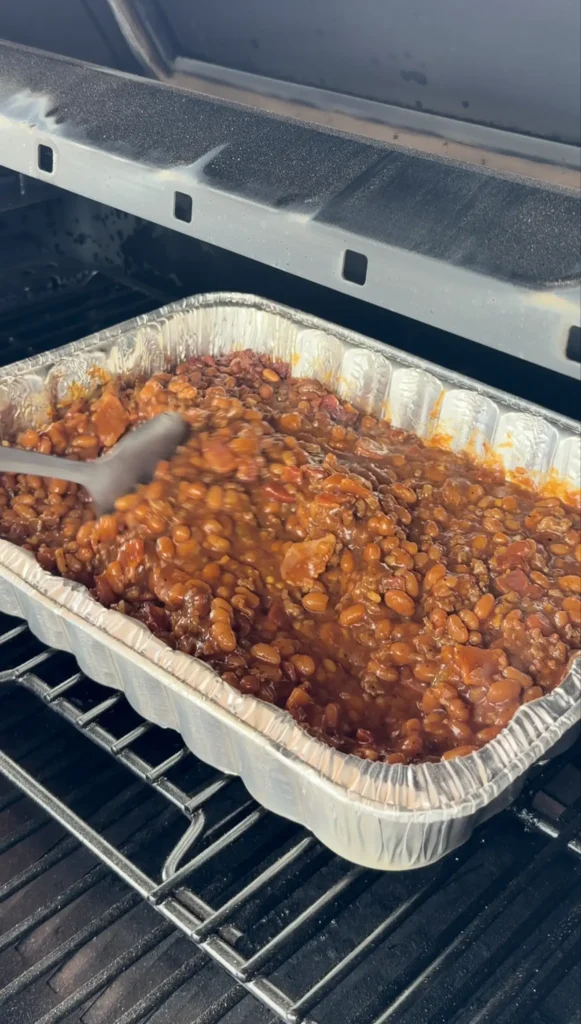
Preheat your pellet smoker, offset smoker, or charcoal grill set up for indirect heat to 250°F to 275°F. Use hickory, oak, apple, or pecan wood. Hickory provides classic BBQ smoke. Oak is more neutral. Apple adds slight sweetness. Pecan contributes nutty flavor.
Place the uncovered pan of beans on the smoker grates. Position it away from direct heat. Close the lid and smoke for 1.5 to 2.5 hours. The wide time range accounts for temperature variations and desired thickness.
After 45 minutes, open the smoker and stir the beans gently but thoroughly. Scrape the bottom and sides of the pan. Fold the top layer throughout. This prevents burning and incorporates smoke flavor. Close the lid and continue smoking.
Repeat the stirring process every 45 minutes. At the 1.5-hour mark, check the consistency. The beans should be noticeably thicker and darker. They should coat a spoon when you lift it out. If they’re still thin, continue smoking.
The beans are done when they’re thick, glossy, and spoon-coating. The sauce should have reduced significantly. The top should look slightly caramelized but not burnt. Total smoking time is usually 2 to 2.5 hours at 250°F to 275°F.
If the top is browning too quickly in the final 30 minutes, loosely cover with aluminum foil. This slows surface browning while allowing continued thickening. Remove from smoker when done.
Step 4: Bake the Beans (Oven Method)
Preheat your oven to 325°F. Prepare the beans exactly as described in Steps 1 and 2. Transfer the bean mixture to a 9×13-inch baking dish or cast iron skillet.
Cover the pan loosely with aluminum foil. Make sure the foil doesn’t touch the bean surface. Crimp it around the edges to seal. Bake covered for 60 minutes.
After 60 minutes, remove the foil carefully. The beans will have released steam. Stir the beans gently, scraping the bottom and sides. The mixture should have thickened slightly.
Return the uncovered pan to the oven. Bake for an additional 30 to 45 minutes, stirring once halfway through. The beans are done when thick, glossy, and bubbling. The top should be slightly darker and caramelized.
For smoke flavor in oven-baked beans, add ½ teaspoon liquid smoke to the bean mixture before baking. Use smoked paprika as one of your seasonings. These won’t replicate true smoke but they add smoky notes.
Step 5: Rest and Serve
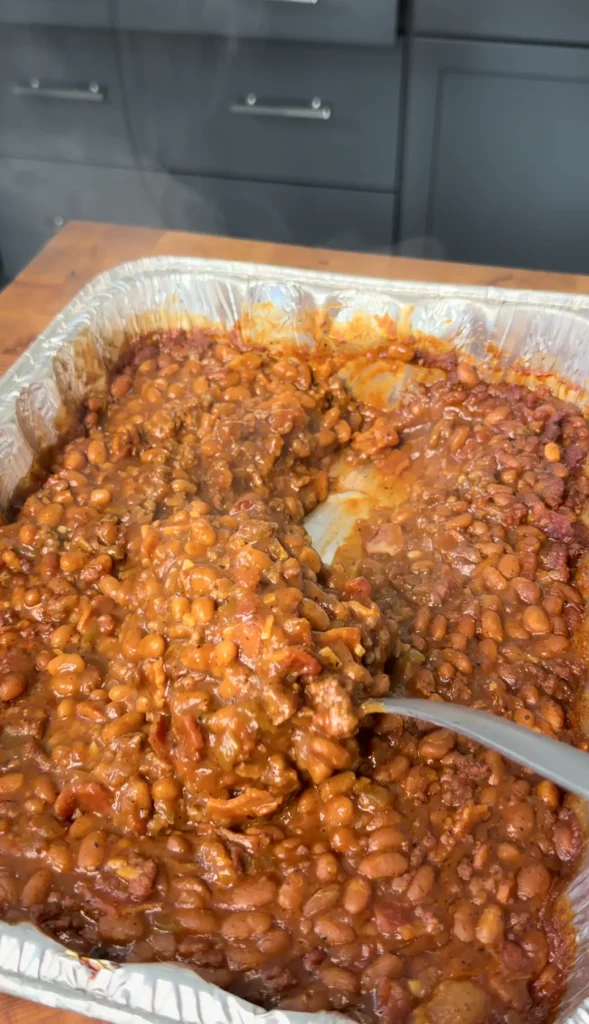
Remove the smoked cowboy baked beans from the smoker or oven when they reach desired thickness. Let them rest for 10 to 15 minutes before serving. The beans will continue to thicken slightly as they cool.
Serve hot directly from the pan or transfer to a serving dish. These beans are extremely hot right out of the smoker or oven.
Garnish with extra crispy bacon crumbles if desired.
Smoked Cowboy Baked Beans
Equipment
Ingredients
Base Ingredients
Sauce and Seasoning
Instructions
Notes
Frequently Asked Questions
Can You Make Cowboy Beans Vegetarian?
You can make vegetarian cowboy baked beans by omitting the ground beef and bacon and using vegetarian baked beans as the base. The beans will lack the smoky, meaty depth but still taste good with proper seasoning.
Replace the meat with additional vegetables. Add diced bell peppers, mushrooms, or zucchini. Cook them in oil instead of bacon grease. Mushrooms provide umami that partially replaces the savory quality from meat.
Increase the smoked paprika to 2 teaspoons and add ½ teaspoon liquid smoke. These enhance the smoky flavor you lose by eliminating bacon. Use vegetarian Worcestershire sauce which exists without anchovies.
The texture won’t be quite the same since vegetarian beans lack the richness from rendered beef and bacon fat. Add 2 tablespoons of butter or olive oil to create similar richness. The beans will still be thick and flavorful.
How Do You Make Beans Thicker or Thinner?
For thicker cowboy baked beans, leave them uncovered longer during smoking or baking. Extended uncovered time allows more moisture to evaporate. The sauce concentrates and becomes syrupy. You can also add an extra tablespoon of molasses or tomato paste which both add body.
Mash about ¼ of the beans against the side of the pan. This releases starch that naturally thickens the remaining beans. It creates creamier texture without adding thickeners. Stir the mashed beans throughout.
For thinner beans, add liquid gradually. Use beef broth, water, or reserved bean liquid from the cans. Add 2 tablespoons at a time and stir. Let the beans cook for 5 to 10 minutes before adding more. This prevents making them too thin.
The beans will thicken as they cool. Don’t over-reduce them while hot. They should coat a spoon but still have saucy consistency when hot. After cooling to room temperature, they’ll be noticeably thicker.
Can You Use Dried Beans Instead of Canned?
You can use dried navy beans instead of canned but it requires significant extra work. Soak 1 pound of dried navy beans overnight in water. Drain and cook them in fresh water for 60 to 90 minutes until tender. This must happen before you even start the cowboy beans recipe.
The advantage is you control sodium and seasoning completely. Dried beans cost less per serving than canned. The texture is slightly firmer which some people prefer. You also avoid any metallic taste from cans.
The disadvantage is time and effort. Dried beans add 2+ hours to the recipe plus overnight soaking. Canned beans provide convenience that most people prefer for casual BBQ sides. The time investment for dried beans makes sense for special occasions but not weeknight cookouts.
If using dried beans, reduce added salt since canned beans contain sodium. Start with ¼ teaspoon and adjust after tasting. You’ll likely need more BBQ sauce and ketchup since canned beans include sauce that dried beans don’t have.
What BBQ Sauce Works Best for Cowboy Beans?
Sweet and smoky BBQ sauce creates the best flavor balance for smoked cowboy beans. Kansas City-style sauces work excellently. They have molasses and brown sugar base with smoke flavor. Brands like Sweet Baby Ray’s, Famous Dave’s, or Blues Hog deliver good results.
Avoid vinegar-based Carolina sauces which are too thin and tangy. The acidity clashes with brown sugar and makes the beans taste unbalanced. Mustard-based South Carolina sauce creates similar problems.
Texas-style BBQ sauce works if it’s sweet rather than spicy. Some Texas sauces are very spicy and tomato-forward. Check the ingredients. If sugar appears in the first three ingredients, it will work well.
Homemade BBQ sauce lets you control sweetness and smoke levels precisely. If making your own, use ketchup base with brown sugar, molasses, apple cider vinegar, and liquid smoke. The effort pays off in customized flavor.
How Far Ahead Can You Make Cowboy Beans?
Cowboy baked beans actually improve when made 1 to 2 days ahead. The flavors meld and deepen overnight. Make them completely, cool to room temperature, then refrigerate in an airtight container.
Reheat gently in a covered pot over medium-low heat. Stir frequently to prevent sticking. Add a splash of water or beef broth if they seem too thick. You can also reheat in a 300°F oven covered with foil for 20 to 25 minutes.
For parties, this make-ahead feature is incredibly valuable. You can prepare beans on Wednesday for a Saturday cookout. On the day of the event, just reheat and serve. This frees up smoker space for meats.
Don’t make them more than 3 days ahead. After that, the beans start losing texture. They can become mushy. The flavors also start to taste stale rather than fresh.
Can You Add Other Meats Besides Beef and Bacon?
Smoked sausage creates excellent addition to BBQ baked beans. Slice 12 to 16 ounces of smoked sausage into coins. Add them when you combine all ingredients. The sausage adds smoky, garlicky flavor. Andouille sausage works particularly well.
Leftover brisket or pulled pork can replace or supplement the ground beef. Chop the leftover BBQ meat into small pieces. Add 1 to 2 cups. This creates incredibly rich beans since the BBQ meat is already seasoned and smoked.
Diced ham adds salty, smoky element. Use about 1 cup of diced ham steak. It pairs well with the brown sugar, creating sweet and salty balance. Ham doesn’t provide as much fat as bacon or beef, so consider keeping some bacon for richness.
Ground pork can replace ground beef. Use the same amount (1 pound). Ground pork is slightly sweeter and fattier than beef. It works well with BBQ flavors. Some people prefer the texture.
What’s the Best Pan for Smoking Beans?
Cast iron skillets create the best results for smoked cowboy beans. Cast iron retains heat evenly and develops caramelization on the bottom that adds flavor. A 12-inch cast iron skillet holds about 8 servings of beans comfortably.
The heavy construction of cast iron prevents warping on the smoker. Thin pans can buckle from heat. Cast iron also looks rustic and attractive for serving directly from the pan at cookouts.
Disposable aluminum foil pans work well for convenience. Use heavy-duty pans, not flimsy dollar-store versions. The 9×13-inch size is ideal. Foil pans are practical for potlucks where you won’t get your pan back.
Avoid glass or ceramic dishes on the smoker. Temperature fluctuations can crack them. These work fine in the oven but aren’t smoker-safe. Also avoid non-stick pans which can release chemicals at high temperatures.
How Do You Prevent Beans from Burning on the Bottom?
Stirring every 45 minutes is the primary defense against burnt beans. The stirring redistributes beans so no portion stays on the bottom too long. Always scrape the bottom completely when stirring. Use a wooden spoon or silicone spatula that won’t scratch pans.
Temperature control matters significantly. Keep the smoker at 250°F to 275°F. Higher temperatures increase burning risk. Use a reliable thermometer to monitor smoker temp. Hot spots near fire boxes can create localized burning.
Position the bean pan away from direct heat. On offset smokers, place beans on the cool end. On pellet grills, use indirect zones. Avoid placing beans directly over fire or heating elements.
Adding enough liquid initially prevents burning. The beans should look slightly soupy when you start. As they cook, they’ll thicken. Starting with thick beans leads to burning before they finish cooking.
Can You Make Cowboy Beans in a Slow Cooker?
Slow cooker cowboy beans work well for hands-off cooking. Cook the bacon and ground beef in a skillet first. Combine everything in the slow cooker. Cook on low for 4 to 5 hours or high for 2 to 3 hours. Leave the lid slightly ajar for the last hour to allow thickening.
The beans won’t have smoke flavor unless you add liquid smoke. Use ½ to 1 teaspoon to approximate outdoor smoking. The texture will be similar to oven-baked beans. They’ll be very tender and thick.
Slow cooker beans are more forgiving than smoker or oven. You don’t need to stir as frequently. Once per hour is sufficient. The low, even heat prevents burning.
The main advantage is freeing up oven or grill space. On busy cookout days when you’re smoking multiple meats, the slow cooker handles the beans. You can also keep them warm on the “warm” setting for hours.
How Do You Know When Cowboy Beans Are Done?
Perfectly done smoked cowboy beans coat a spoon thickly when you lift it from the pot. The sauce should cling rather than run off immediately. Tip the spoon and the sauce should move slowly like honey rather than dripping like water.
The color should be dark brown with caramelized areas on top. The surface shouldn’t look wet or soupy. It should have slightly concentrated, reduced appearance. Some darker spots are normal and desirable from caramelization.
Taste is the ultimate test. The beans should taste intensely flavored, sweet, smoky, and savory. The flavors should be concentrated rather than dilute. If they taste watery or bland, continue cooking.
The beans should bubble gently when hot. Thick bubbles that pop and splatter indicate good consistency. Watery, rapid bubbling suggests they need more time to reduce.
If you’re looking for more recipes like this recipe, click the link!
Explore By Category
🥩 Beef Recipes
🐖 Pork Recipes
🍗 Chicken Recipes
🦃 Turkey Recipes
🦞 Seafood Recipes
🔥 Appetizers
Common Items Used in These Recipes
Hasty Bake Charcoal Grill and Smoker
Knitted Gloves
Food Processor
Cast Iron Skillet
Meater +
Upgrade Your Meat Game with Grill Nation x Linz Heritage Angus
If you really want to take your grilling and cooking to the next level, you need to check out our collaboration with Linz Heritage Angus. We’ve partnered with them to bring you some of the best beef you can get your hands on. Linz Heritage Angus isn’t your typical grocery store meat. These guys are the real deal – they raise their cattle the right way, and you can taste the difference in every bite. We’re talking about beef that’s been dry-aged to perfection, with marbling that makes your mouth water just looking at it.
Premium Ribeye Steaks
Perfect for special occasions
Dry-Aged Beef Selection
Take your grilling to the next level
Ground Beef & Burger Blends
The foundation of great BBQ