
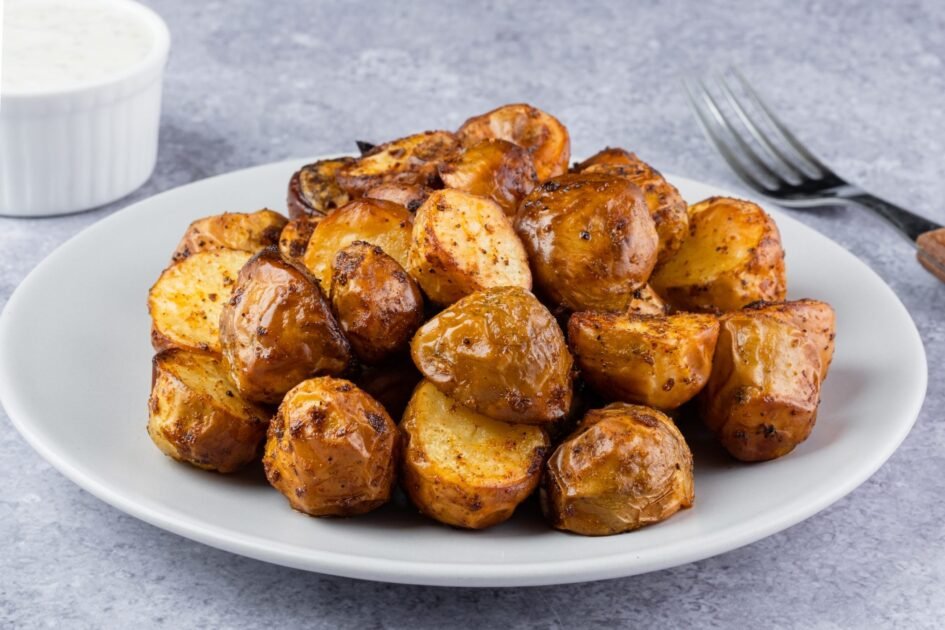

We have all been there: pulling a sheet pan of potatoes out of the oven only to find they are “perfectly fine” instead of “perfectly crisp.” You want that pillowy, cloud-like center hidden behind a golden, shatteringly crisp exterior. Many of us have tried every variable in the book—switching up the oil, cranking the heat, or obsessively flipping them every ten minutes—only to end up with mediocre results.
As it turns out, the secret to restaurant-quality roasted potatoes isn’t about the roasting at all. It is about the prep. Specifically, it is about a humble box of baking soda sitting in your pantry. By adding this one simple ingredient to your parboiling water, you can achieve a texture that rivals the best fries you have ever had.
The Science of the Crunch
Potatoes are naturally dense. To get them tender on the inside without burning the outside, a quick parboil is essential. However, adding baking soda to the water changes the chemistry of the pot. By raising the pH of the water, it becomes more alkaline.
This alkalinity breaks down the potato’s pectin more efficiently, causing the exterior of the potato to soften and fray. Instead of clean, smooth edges, you end up with a slightly roughened, “fuzzy” surface. That fuzzy layer is pure starch, and once it hits the hot oil in your roasting pan, it dehydrates and crisps up into a magnificent, crackling crust.
Ingredients
Potatoes: Yukon Gold or Russets work best for this method.
Baking Soda: Just / teaspoon per quarts of water.
Salt: For seasoning the water and the finished dish.
Fat: Olive oil, duck fat, or melted butter.
Aromatics (Optional): Fresh rosemary, garlic cloves, or black pepper.
Step-by-Step Instructions
Start by bringing a large pot of well-salted water to a boil. Stir in your baking soda; you will notice a slight fizz, which is perfectly normal. Add your potato chunks and cook them just until the exteriors are tender, but the centers still hold their shape.
Once drained, here is the most important part: give the potatoes a vigorous shake in the colander. You want them to look a little beat up and shaggy. This creates the surface area needed for maximum crunch.
Toss the shaggy potatoes in your choice of fat. That craggy, starchy texture will grab onto the oil in a way a smooth potato never could. Spread them out on a preheated sheet pan, ensuring they have plenty of breathing room. Roast at a high temperature, between and degrees. Let them roast undisturbed until a deep golden crust forms, then give them one good turn to finish browning.
Serving Suggestions and Tips
These potatoes are the ultimate side dish for a Sunday roast, but they are also sturdy enough to serve as the base for a loaded potato bowl. For an extra flavor punch, toss them with minced garlic and fresh herbs during the last five minutes of roasting to prevent the aromatics from burning.
If you are looking for a variation, try using duck fat for a rich, savory depth, or add a pinch of smoked paprika for a vibrant color and smoky finish.
The result is a potato that is crispier than a standard fry but lighter than a smashed potato. It is a simple, low-cost upgrade that will make you the hero of your next dinner party. Once you try the baking soda method, you will never go back to basic roasting again.