

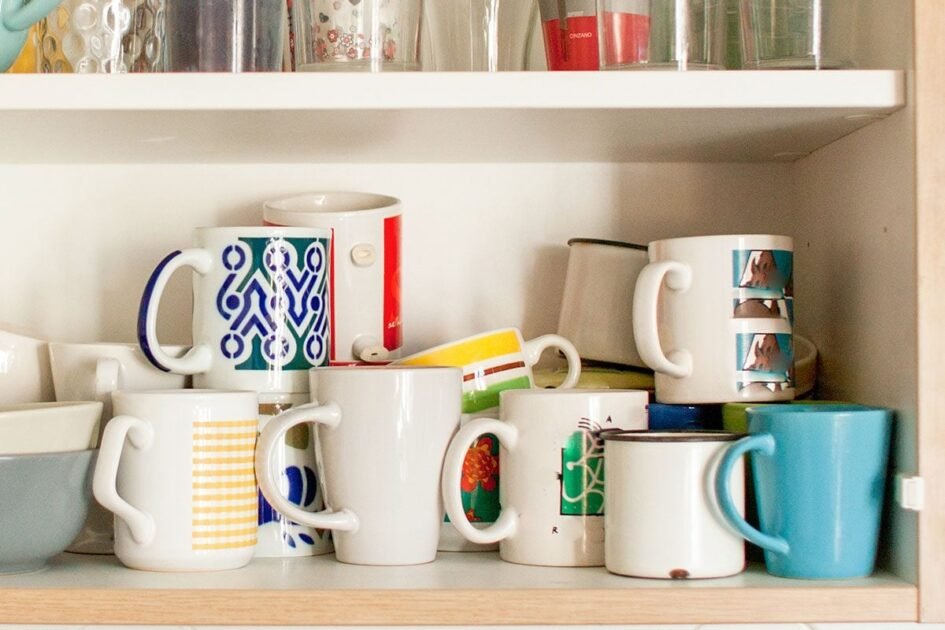

We all have that one mug. Maybe it is a souvenir from a Broadway show, a relic from your college days, or a gift that perfectly captures your personality. These dependable vessels survive kitchen purges, cross-country moves, and the daily chaos of a busy household. They feel like old friends, but eventually, even the best mugs start to show their age.
You might notice a faint, web-like pattern across the glossy surface. They are not deep chips or structural breaks, but rather a subtle network of lines in the finish. In the world of ceramics, this phenomenon is known as “crazing,” and while it might look like a vintage aesthetic, it is actually a sign that your mug has reached a turning point.
What Is Crazing?
Crazing occurs in the glaze, the glass-like outer coating that seals the porous ceramic clay underneath. This layer is designed to be a waterproof barrier, but ceramics are surprisingly dynamic. As you pour in boiling coffee or run the mug through a high-heat dishwasher cycle, the clay and the glaze expand and contract at slightly different rates.
Over time, this tension becomes too much for the glaze to handle, resulting in those microscopic hairline cracks. Sometimes it happens because of a manufacturing mismatch, but more often, it is simply the result of years of loyal service. It is essentially the surface-level aging process of your dinnerware.
The Food Safety Factor
While crazing might look harmless, it compromises the very thing that makes a mug food-safe. A smooth, intact glaze prevents liquids from soaking into the clay. Once that seal is broken by crazing, your morning latte can seep into the porous body of the mug.
This seepage creates a few unappetizing problems:
Bacteria Growth: Those tiny crevices are nearly impossible to scrub clean, providing a cozy home for microscopic hitchhikers.
Lingering Odors: Old coffee oils can trap themselves in the cracks, eventually making your fresh brew taste “off.”
Leaching Risks: If you are using vintage mugs, crazing can increase the risk of lead or heavy metals leaching from older glazes into your drink.
While one cup of tea from a crazed mug is unlikely to cause an immediate crisis, using one as your daily driver increases these risks over time.
Giving Your Mugs a Second Life
The good news is that “breaking up” with your favorite mug does not mean throwing it in the trash. If a piece has deep sentimental value, it simply needs a career change. Mugs that are no longer food-safe make excellent additions to other parts of the home.
Try using your retired mugs to corral pens on a desk, hold makeup brushes on a vanity, or act as a charming planter for a small succulent on a sunny windowsill. They can even stay in the kitchen to hold non-food items like twist ties or rubber bands.
How to Spot It
To check your cabinets, hold your mugs under a bright light and tilt them at an angle. Look for a shimmering, shattered-glass effect on the surface. If the web is dense and visible, it is time to transition that mug to “decorative status” and treat yourself to a new, fully sealed vessel for your caffeine fix.
Protecting your health is the perfect excuse to find a new favorite piece of stoneware that is as safe as it is stylish.